
Understanding Vision Correction Techniques
Vision correction is a vital aspect of modern healthcare, addressing a myriad of visual impairments that can significantly affect an individual’s quality of life. With advancements in technology and medical procedures, patients are now able to explore various options to regain their visual clarity. At SNU Eye Clinic, we pride ourselves on being at the forefront of these innovations, offering personalized treatment plans tailored to each individual’s needs. For those seeking comprehensive insights into vision correction, our full view of options is sure to assist you in making informed decisions.
What is Vision Correction?
Vision correction encompasses a range of medical interventions designed to enhance visual acuity. It typically targets common refractive errors such as myopia (nearsightedness), hyperopia (farsightedness), and astigmatism. By using various techniques, vision correction aims to modify the way light enters the eye, improving focus and clarity. This advancement not only enhances day-to-day living but also contributes to overall well-being and productivity.
Common Types of Vision Correction Procedures
- Glasses: The most traditional method, glasses correct vision through specially prescribed lenses.
- Contact Lenses: These sit directly on the eye’s surface and offer a wider field of vision without obstruction.
- Refractive Surgery: Procedures such as LASIK reshapes the cornea to allow better focus.
- Implantable Contact Lenses (ICL): A newer option where lenses are surgically implanted inside the eye, ideal for patients with high refractive errors.
How the Full View Technique Works
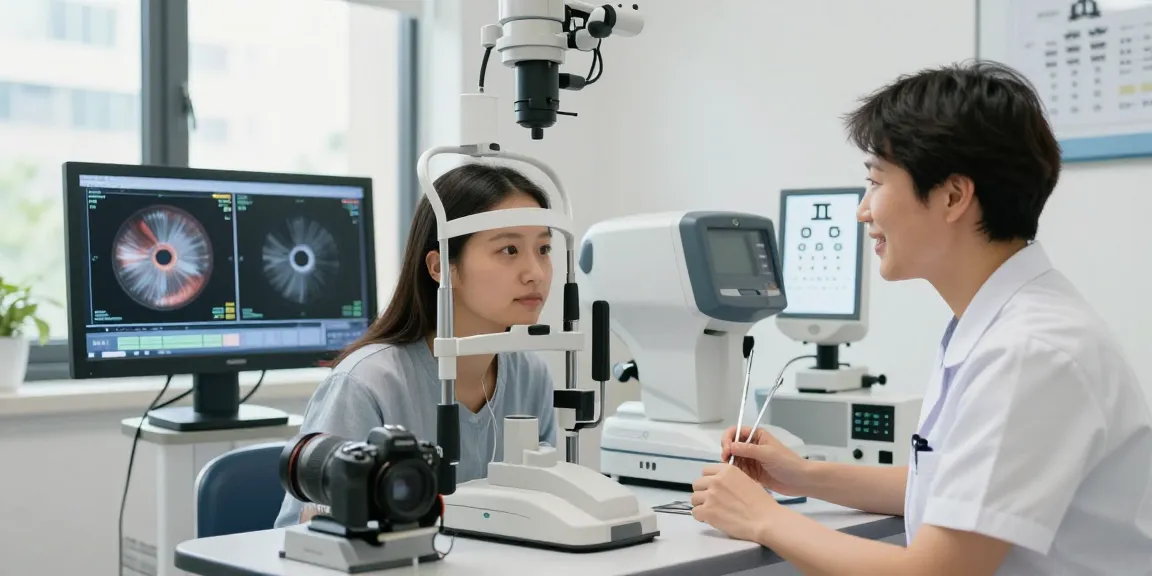
The Full View technique is a revolutionary approach to vision correction that emphasizes comprehensive diagnostic assessment and personalized treatment. This method begins with an extensive examination through advanced diagnostic tools that assess visual health and refractive error. By considering the unique anatomy of each patient’s eye, this technique ensures precise corrective measures. This meticulous approach, coupled with cutting-edge surgical technology, allows for optimal outcomes and enhances the overall patient experience.
The Benefits of Choosing SNU Eye Clinic
At SNU Eye Clinic, we offer patients more than just eye care; we provide a holistic approach to vision correction through our specialized treatments and advanced technologies. Our clinic stands out for several reasons, ensuring that each patient receives the highest standard of care.
Advanced Technology and Equipment
Our investment in state-of-the-art diagnostic and surgical equipment ensures that our procedures are performed with the utmost accuracy. From advanced imaging systems that provide detailed insights into eye health to the latest laser technologies that enhance surgical precision, every tool we use is aimed at providing the best possible outcomes for our patients.
Highly Experienced Medical Team
The expertise of our medical professionals is paramount to our success. Our team consists of seasoned ophthalmologists and surgeons who have performed over 50,000 successful surgeries. Their extensive experience allows them to navigate complex cases efficiently, ensuring that patients receive individualized care tailored to their specific needs.
Comprehensive Patient-Centric Approach
We prioritize patient experience at SNU Eye Clinic, ensuring that every step of the patient journey is seamless and supportive. From the initial consultation to post-operative care, our team is dedicated to providing compassionate support, ensuring that patients feel informed and comfortable at every stage.
Real-Life Success Stories from SNU Eye Clinic Patients
Nothing showcases the effectiveness of our treatments better than the success stories of our patients. At SNU Eye Clinic, we take pride in the transformative experiences of those who have come through our doors, emphasizing our commitment to high-quality eye care.
Case Study: From Glasses to Clear Vision
One of our notable patients, a 32-year-old university lecturer, had been dependent on glasses since childhood. After undergoing the Full View technique, she experienced a transformation that allowed her to enjoy life without the constraints of eyewear. Within weeks, she reported clearer vision than ever before, significantly enhancing her daily life and professional engagement.
Success with ICL and Toric ICL Procedures
Patients with severe refractive errors have found solace in our ICL and Toric ICL procedures. These sophisticated surgical options allow for vision correction without the need for corneal reshaping. For instance, a 28-year-old engineer with high myopia successfully transitioned to ICL and has since expressed her astonishment at the clarity she has achieved, allowing her to resume her favorite activities without limitations.
Patient Testimonials: Transformative Experiences
Patient testimonials continuously affirm the value of our services. Many individuals describe life-changing experiences post-surgery, noting improved quality of life, enhanced confidence, and newfound freedom from corrective lenses. These stories highlight not just the effectiveness of our techniques, but also the emotional and psychological benefits of achieving clearer vision.
Common Misconceptions About Eye Surgery
Despite the increasing popularity of eye surgery, misconceptions persist. Education is key in alleviating fears and ensuring patients feel confident in their decisions to pursue vision correction.
Addressing Fears and Myths
One of the most common fears surrounding eye surgery is the belief that it is painful. In reality, most procedures are performed under local anesthesia, with patients reporting minimal discomfort. Additionally, there is a myth that surgery is only for older adults; however, advancements in technology have made it accessible to younger patients with appropriate refractive errors.
Understanding Recovery Time and Expectations
Recovery times vary, but most patients experience a rapid return to normal activities. Understanding what to expect post-surgery can help reduce anxiety. Follow-up care is crucial, and our team provides thorough aftercare instructions to ensure a smooth recovery process.
Long-Term Commitment to Eye Care
Eye surgery is not just a one-time fix. A long-term commitment to eye health is critical. Regular check-ups post-surgery are essential to monitor visual health and address any potential issues early on. Our clinic emphasizes the importance of ongoing care as part of a patient’s overall eye health strategy.
Future Trends in Eye Care and Surgery
The landscape of eye care is continually evolving, with innovative technologies paving the way for even more effective treatments. Looking toward 2026 and beyond, we can expect several exciting advancements in the field.
Innovations in Eye Surgery Technology by 2026
As we advance, we anticipate the integration of artificial intelligence in diagnostic processes, allowing for earlier detection of conditions. This technology could streamline patient assessments and create tailored treatment plans. Additionally, minimally invasive surgical techniques are expected to become more widespread, reducing recovery times and improving outcomes.
Emerging Vision Correction Techniques
New vision correction techniques are on the horizon, including advancements in customized laser procedures and improvements in ICL technology. These innovations will provide even more options for patients, particularly those who previously may not have qualified for surgery due to corneal thickness or other factors.
Patient Care in a Changing Healthcare Landscape
As the healthcare landscape shifts towards a more patient-centric model, the focus on personalized care will become increasingly significant. Tailored treatment plans, informed consent processes, and patient education will be prioritized, ensuring that individuals feel empowered and informed throughout their eye care journey.
What Are the Risks of Eye Surgery?
As with any surgical procedure, risks exist. Understanding these risks — such as infection, dry eyes, or undercorrection — is essential in making an informed decision. Our team is committed to transparent discussions about potential risks and benefits, ensuring that patients can weigh their options thoroughly.
How to Choose the Right Eye Care Provider?
Selecting an eye care provider requires careful consideration. Prospective patients should look for providers with proven track records, state-of-the-art technology, and an experienced medical team. It is also essential to choose a clinic that emphasizes patient education and a comprehensive approach to eye care, like SNU Eye Clinic.
