
The Benefits of Using RainPoint WiFi for Smart Irrigation
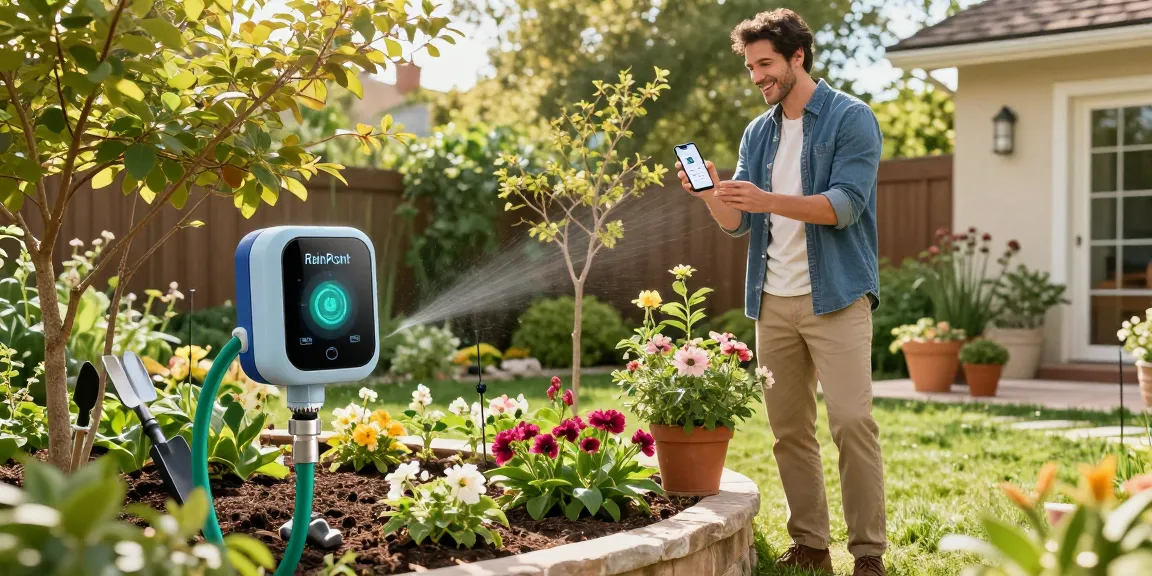
As more consumers embrace sustainable practices in their gardening and landscaping efforts, innovations such as RainPoint WiFi have emerged as essential tools for efficient water management. This smart irrigation technology is designed not only to reduce water consumption but also to enhance the health and vitality of plants. With the capability to monitor soil moisture, set precise watering schedules, and provide real-time data, RainPoint WiFi empowers gardeners to make informed decisions. When exploring options, rainpoint wifi provides comprehensive insights into optimizing water usage.
What Does RainPoint WiFi Offer for Your Garden?
RainPoint WiFi incorporates advanced features that fundamentally transform the way individuals care for their gardens. This system connects to your home WiFi network, allowing you to control your irrigation system from anywhere via a smartphone application. Key benefits include:
- Remote Monitoring: Users can monitor soil moisture levels in real-time, ensuring that plants receive just the right amount of water.
- Customizable Timers: Set specific watering schedules for different zones in your garden, maximizing efficiency.
- Data Insights: Analyze water consumption and adjust practices to save on utility bills while optimizing plant growth.
- Seasonal Adjustments: Automatically adapt your watering schedule according to seasonal weather patterns.
Cost Savings: How RainPoint WiFi Helps Reduce Water Bills
Water bills can take a significant chunk out of your budget, especially for those with expansive gardens or lawns. By implementing smart irrigation solutions like RainPoint WiFi, homeowners can achieve dramatic cost savings. The system utilizes precise measurements of soil moisture, ensuring that irrigation is only activated when necessary. In addition, through its customizable schedules, users can efficiently manage their water use, optimizing the growth of plants while minimizing waste. Reports show that homeowners can reduce their water consumption by up to 50% with intelligent irrigation practices.
Enhancing Plant Growth with Accurate Watering Schedules
Consistent and accurate watering is crucial to healthy plant growth. Overwatering can lead to root rot and other diseases, while underwatering can stress plants, inhibiting growth. RainPoint WiFi allows users to set watering schedules based on the specific needs of their plants, leading to healthier gardens. The system includes moisture sensors that provide feedback on the soil’s current state, allowing for adjustments to be made in real-time. This precision results in stronger, more resilient plants that thrive throughout the seasons.
Setting Up Your RainPoint WiFi: A Step-by-Step Guide
Getting started with RainPoint WiFi is straightforward. Here’s a comprehensive guide to help you install and configure your system effectively, ensuring a seamless experience from the start.
Understanding Installation Requirements for RainPoint WiFi
Before you begin installation, ensure you have all necessary components. The RainPoint WiFi system typically includes:
- The RainPoint WiFi timer
- Soil moisture sensors
- Necessary cables and connectors
- A compatible smartphone or tablet for app access
Additionally, a stable WiFi connection is required for remote monitoring and control.
Connecting the Device to Your Home Network
Once you have gathered your materials, follow these steps to connect your RainPoint WiFi device to your home network:
- Download the RainPoint application on your smartphone.
- Create an account and follow the prompts to connect your irrigation timer to your WiFi network.
- Pair the system with the soil moisture sensors as directed in the app.
- Test the connectivity by manually activating the watering schedule through the app.
Tips for Optimizing Sensor Placement in Your Garden
The placement of soil moisture sensors plays a crucial role in the effectiveness of your irrigation system. Here are some tips for successful sensor placement:
- Strategic Locations: Install sensors in different zones of your garden to account for varying sunlight and soil conditions.
- Depth Consideration: Place sensors at the root depth of your plants to ensure accurate moisture readings.
- Avoid Obstacles: Ensure sensors are placed away from large rocks or roots that may affect their readings.
Common Challenges with RainPoint WiFi and How to Overcome Them
While RainPoint WiFi is an advanced tool for gardening, users might encounter a few challenges during setup and operation. Here are some common issues and strategies for overcoming them.
Addressing Connectivity Issues with WiFi Setup
WiFi connectivity problems can hinder the full functionality of your RainPoint system. To address these issues:
- Check your WiFi signal strength in the area where your timer is located.
- Restart your router and the RainPoint device.
- Verify that you have entered the correct WiFi password during setup.
Ensuring Accuracy with Soil Moisture Sensors
Soil moisture sensors are essential for making informed watering decisions. To ensure their accuracy:
- Calibrate the sensors as recommended in the user manual.
- Regularly check their placement and condition, ensuring they are not obstructed by debris.
- Periodically clean the sensor tips to prevent buildup that may affect readings.
Understanding App Functionality and User Experience
The RainPoint app is user-friendly and designed for efficiency, but understanding its full functionality can enhance your experience. Explore features including:
- Custom scheduling options for various plant needs.
- Integration with weather forecasts for optimized watering.
- Push notifications to alert you when watering is occurring or when sensors detect moisture levels.
Real-World Success Stories: Customers Who Transformed Their Gardens
The true value of any product often comes from the experiences of its users. Let’s explore several case studies and testimonials from satisfied RainPoint customers.
Case Study: Urban Gardeners Maximizing Water Efficiency
Urban gardening presents unique challenges, especially in terms of water usage and space. One customer transformed a small balcony into a vibrant garden with the help of RainPoint WiFi. By setting tailored watering schedules and utilizing soil moisture sensors, they reduced water consumption by 40% while increasing plant yield. This success has encouraged others in their community to adopt similar practices, demonstrating the broad impact of smart irrigation technology.
Testimonial: How RainPoint WiFi Changed My Gardening Routine
A long-time gardener shares, “Using the RainPoint WiFi timer has revolutionized how I manage my plants. I no longer worry about under or overwatering, and my garden has never looked better. The app makes it incredibly easy to adjust settings and monitor moisture levels. It’s a game-changer for anyone passionate about their garden!”
Exploring Innovative Uses of RainPoint WiFi Beyond Traditional Gardens
Beyond traditional gardening, RainPoint WiFi has found applications in various innovative settings. For example:
- Community Gardens: Several community projects have adopted RainPoint for collective gardening efforts, optimizing water use for multiple plots.
- Horticultural Research: Agricultural researchers use RainPoint to analyze the impacts of varying moisture levels on plant growth.
Future Trends in Smart Irrigation Technology
As we look towards the future, the field of smart irrigation is set to evolve significantly. New technologies will likely shape the way gardeners manage their resources.
Predictions for Smart Gardening Innovations (2026 and Beyond)
Experts predict that by 2026, smart irrigation systems will become even more sophisticated. Innovations may include:
- Enhanced AI Integration: More adaptive systems that learn from user habits and environmental conditions to optimize watering schedules automatically.
- Mobile Drone Monitoring: Drones equipped with sensors will be able to monitor large gardens and provide data to the irrigation system.
The Role of AI in Future Smart Watering Systems
Artificial Intelligence (AI) will play a vital role in improving smart irrigation technology. AI algorithms will analyze vast amounts of data from various sources, including weather forecasts and sensor readings, allowing systems to adjust watering schedules dynamically. This could lead to even more significant water conservation and healthier plants.
How Climate Change is Shaping Smart Irrigation Solutions
Climate change poses challenges for gardeners, including erratic rainfall patterns and increased temperatures. Smart irrigation systems like RainPoint will adapt to these challenges by utilizing advanced forecasting methods, ensuring that gardens remain healthy and vibrant. This adaptability is crucial for sustainable gardening practices in a changing climate.
What Are the Best Practices for Sustainable Gardening in 2026?
As sustainable gardening continues to gain importance, best practices will evolve. Key strategies may include:
- Utilizing native plants that require less water.
- Implementing rainwater harvesting systems to supplement irrigation needs.
- Incorporating smart technology for real-time data monitoring.
How Can You Join the RainPoint Community for Ongoing Support?
The RainPoint community is an excellent resource for users seeking advice, support, and sharing experiences. Joining the RainPoint Smart Irrigation Facebook Group and subscribing to their newsletter can provide exclusive deals, updates on new technology, and connections with fellow gardening enthusiasts.